
The hardest part of buying electronics online in Malawi is not finding products. It is knowing which sellers are worth buying from. A Samsung Galaxy listing on Facebook Marketplace, a WhatsApp broadcast from a contact you barely know, a Telegram group post with photos — they all look the same before payment. The difference between a legitimate seller and a scam only becomes clear after money has changed hands.
Verification addresses this identification problem directly. It does not eliminate all risk from any transaction — no system does — but it removes the anonymity that makes scams easy and gives buyers a meaningful starting point before they commit.
The Identification Problem in Malawi's Informal Market
In Malawi's informal online electronics market — across WhatsApp, Facebook Marketplace, and Telegram groups active in Lilongwe, Blantyre, and Mzuzu — legitimate sellers and bad actors look identical before payment. Both have phone photos. Both quote prices. Both respond to messages promptly. Both will tell you they are located in a real neighbourhood and can arrange delivery.
The problem is structural: any entry barrier to selling is zero. Creating a Facebook profile, joining a WhatsApp group, and posting photos of phones that may or may not exist takes minutes. There is no review, no identity check, no way for a buyer to distinguish a genuine seller from someone who is three transactions away from disappearing entirely.
Most Malawians either know someone who has been defrauded this way, or have experienced it themselves. The response is not that buyers are careless — it is that the market structure gives them no reliable way to distinguish legitimate from fraudulent sellers before payment.
What Verification Does and Does Not Mean
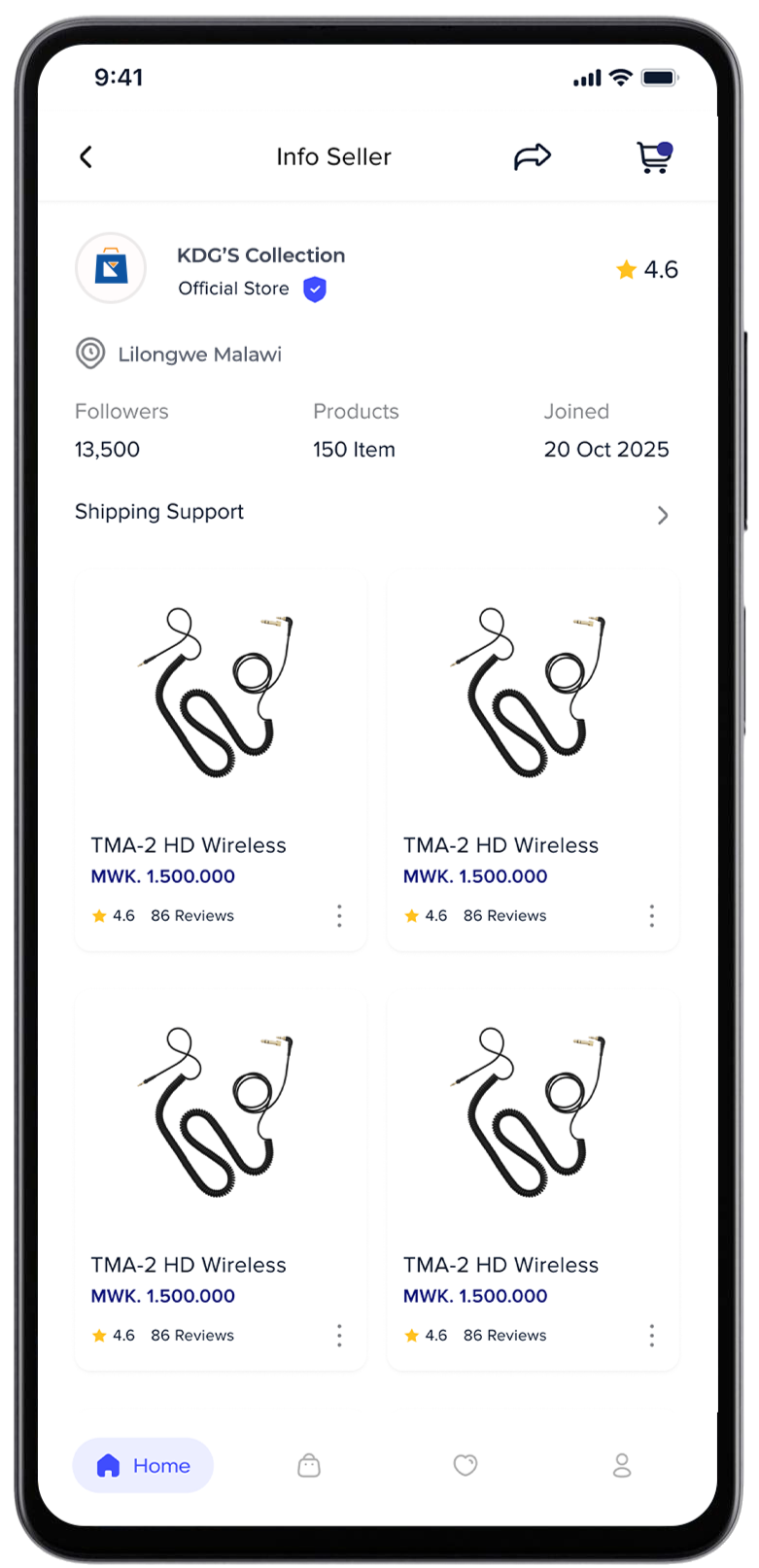
On Techaven, sellers go through a review process before they can list any products. This covers shop details, identity verification, and product accuracy checks. Techaven's Foot Agents — staff who operate on the ground in major Malawian cities — assist with on-ground verification for sellers who need help listing products correctly, and verify that listings reflect what the seller actually has in stock.
What verification means:
- The seller is a real, identifiable person or business with a track record on the platform.
- Their product listings have been reviewed for accuracy before going live.
- Their continued ability to sell is tied to their behaviour — disputes, inaccurate listings, and disappearing after payment all affect their standing and can result in removal.
What verification does not mean:
- Every product is physically inspected before listing (it is not).
- Every transaction will be perfect (they will not).
- Verification replaces your own inspection of the product upon delivery.
Verification raises the floor significantly. It does not guarantee a ceiling. Combined with escrow payment protection and in-house delivery, verification is part of a system where each component addresses a different risk.
How Verified Status Changes Seller Behaviour
The most important thing about verification is not that it filters bad actors — although it does. It is that it changes the incentive structure for sellers who are on the platform.
A seller on an unverified channel has nothing to lose from misrepresenting a product. They can describe a phone with 64GB storage as 128GB, list a phone with a replaced screen as "original condition," or claim a battery is at 90% when it is at 65%. If challenged, they can delete the account and create a new one. The asymmetry of information favours the seller entirely.
A verified seller on Techaven has their credibility tied to their presence on the platform. A misrepresented listing leads to a dispute. A dispute resolved against the seller affects their standing. A pattern of disputes leads to removal. This is not a theoretical deterrent — it is a direct consequence that sellers experience. The practical result is that verified sellers list more accurately, communicate more openly about product condition, and handle post-sale issues more responsibly than informal channel sellers do.
This is why buyers who have been burned in Malawi's informal market specifically look for verified status before purchasing. The verification signal carries real information.
How Verification Helps Honest Sellers
This point is worth making explicitly, because it is often missed: verification does not just protect buyers. It gives legitimate sellers something they have never had in Malawi's informal market — a credible way to demonstrate their trustworthiness.
Consider a genuine Samsung dealer in Lilongwe's City Centre who has been selling phones for four years, has no history of misrepresentation, and handles post-sale problems professionally. On WhatsApp or Facebook Marketplace, they look identical to a scam account created yesterday. Their four years of reliable trading is invisible to new buyers. They lose visible market share to sellers offering phones at fraudulently low prices, and they absorb the distrust that scam sellers generate across the whole channel.
On Techaven, their verification status, transaction history, and seller rating are visible and meaningful. A buyer who has had bad experiences with unverified sellers specifically seeks out verified ones. The honest seller's track record becomes an asset rather than something invisible. Read how Techaven's seller model works for a fuller picture of how this plays out.
Verified vs Unverified Sellers: The Key Differences
| Factor | Unverified (WhatsApp/Facebook) | Verified (Techaven) |
|---|---|---|
| Identity | Anonymous — photo and phone number only | Reviewed and confirmed before listing |
| Listing accuracy | No enforcement or review mechanism | Reviewed before going live; disputes affect standing |
| Consequences for misrepresentation | None — can delete and restart | Dispute, reduced standing, potential removal |
| Buyer recourse after payment | None if seller disappears | Dispute process with transaction records |
| Seller reputation portability | None — reputation dies with the account | Transaction history and rating visible to future buyers |
| Incentive for accurate listings | None structural — only personal ethics | Financial (escrow) and reputational (standing) incentive |
For electronics specifically — where storage size, battery health, screen condition, repair history, and whether a phone is original or a copy all affect value and daily use — listing accuracy matters more than in most product categories. Verified sellers have strong structural incentive to list accurately, because inaccurate listings lead to returns, disputes, and removal from the platform. Browse verified sellers on Techaven and check the listing details for any phone before purchasing.
Frequently Asked Questions
Buy from verified sellers on Techaven
Every seller on Techaven has been reviewed before listing. Browse phones and gadgets with the confidence that comes from verified accountability.